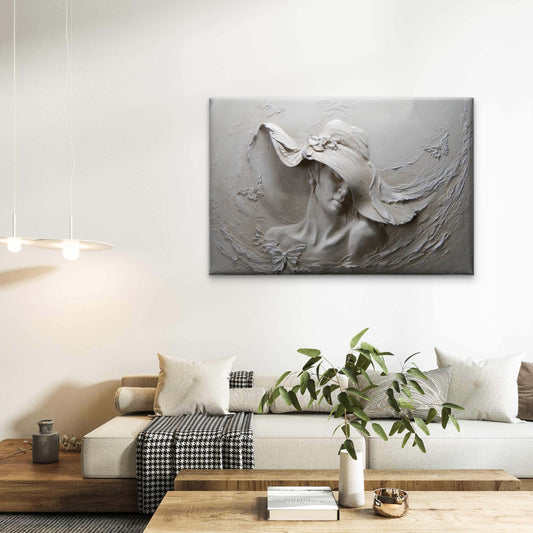

Wall art plays a powerful role in shaping the mood and identity of your home. Whether you prefer sleek contemporary interiors or timeless elegance, choosing between modern wall art and traditional wall art can define your overall interior design style. Understanding the differences between these two popular decor approaches will help you select artwork that truly reflects your personality and enhances your space.
In this guide, we explore modern vs traditional wall art, key characteristics of each style, and how to decide what fits your home best.
Understanding Modern Wall Art
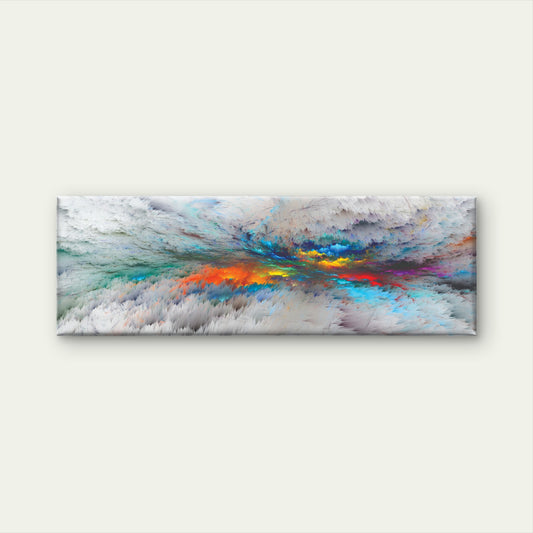
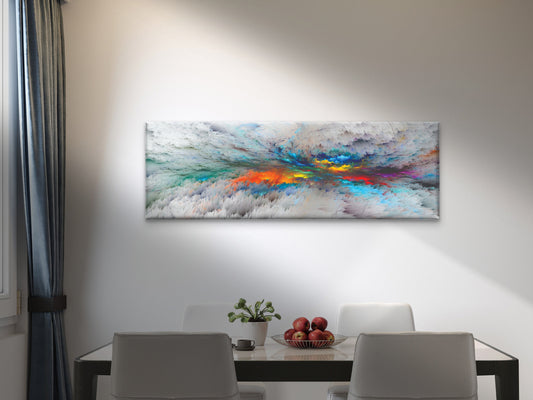
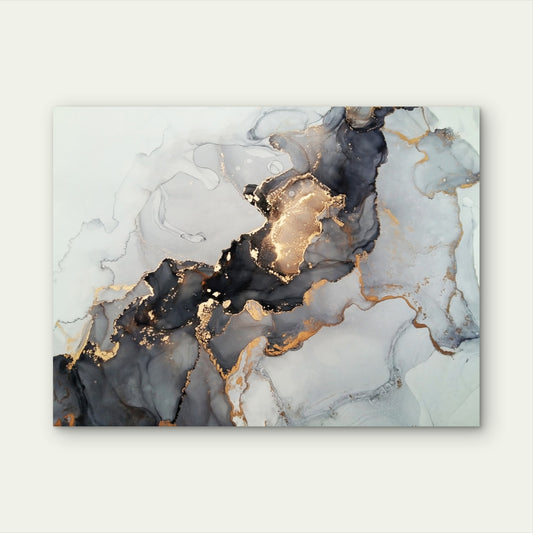
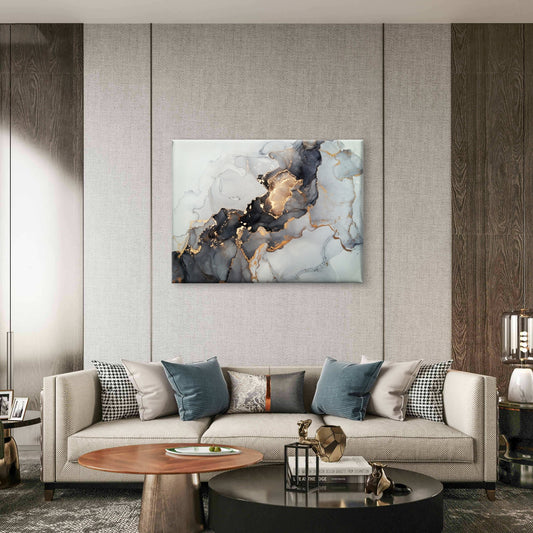
Modern wall art is known for its clean lines, simplicity, and bold creative expression. It often features abstract compositions, geometric shapes, minimal color palettes, or striking contrasts. This style focuses on innovation and artistic freedom rather than strict rules.
Many modern art movements were influenced by artists such as Pablo Picasso, who challenged conventional perspectives and embraced abstract forms. Today, modern canvas prints, minimalist artwork, and large statement pieces dominate contemporary interior design trends.
Key characteristics of modern wall art include
Simple compositions with strong visual impact
Neutral tones or bold contrasting colors
Abstract and geometric designs
Large scale canvas prints
Minimal framing or frameless presentation
Modern wall decor works beautifully in contemporary homes, urban apartments, and spaces that prioritize simplicity and open layouts.
Understanding Traditional Wall Art
Traditional wall art reflects classic beauty, refined details, and historical influence. This style is rooted in realism and often showcases landscapes, portraits, still life paintings, and ornate frames.
Iconic artists like Leonardo da Vinci and Vincent van Gogh helped shape artistic traditions that continue to inspire traditional wall decor today. Rich textures, dramatic lighting, and intricate detailing define this timeless aesthetic.
Key characteristics of traditional wall art include
Realistic subjects and classical themes
Warm and rich color palettes
Decorative frames with gold or wood finishes
Symmetry and balanced compositions
Historical and cultural influences
Traditional wall decor complements classic interiors, luxury homes, and spaces with antique or vintage furniture.
Modern vs Traditional Wall Art in Interior Design
When comparing modern and traditional wall art, the primary difference lies in structure and emotion. Modern artwork often feels bold, experimental, and minimalist. Traditional art feels refined, detailed, and rooted in history.
In a modern living room with clean furniture and neutral walls, abstract canvas art enhances the contemporary atmosphere. In contrast, a traditional dining room with elegant wood furniture pairs beautifully with framed landscape paintings or classical portraits.
European cities such as Paris are known for blending both modern and traditional art influences, proving that these styles can coexist harmoniously within one home.
How to Choose the Right Wall Art for Your Style
Choosing between modern wall art and traditional wall art depends on several factors including your furniture, color scheme, and personal taste.
Consider your existing decor. If your home features sleek furniture, open spaces, and minimal accessories, modern wall art will feel cohesive. If your interiors include ornate details, rich fabrics, and classic architecture, traditional artwork will enhance the aesthetic.
Think about the mood you want to create. Modern art can energize and inspire creativity. Traditional art creates warmth, elegance, and sophistication.
Also consider scale and placement. Modern art often works best as large statement pieces. Traditional art may look better in symmetrical arrangements or curated gallery walls.
Can You Mix Modern and Traditional Wall Art
Yes, mixing modern and traditional wall art is a growing interior design trend. This approach, sometimes called transitional style, blends contemporary simplicity with classic charm.
For example, you can pair minimalist abstract canvas art with antique furniture for contrast. You can also display traditional paintings in sleek modern frames to create balance.
Design hubs like New York City often showcase interiors that successfully merge old and new styles, creating dynamic and personalized living spaces.
Final Thoughts on Modern vs Traditional Wall Art
Both modern wall art and traditional wall art offer unique advantages in home decor. Modern artwork emphasizes simplicity, bold expression, and clean design. Traditional artwork celebrates history, realism, and timeless elegance.
The right choice depends on your interior design vision, lifestyle, and emotional connection to the art. Whether you prefer abstract canvas prints or classical framed paintings, selecting wall decor that aligns with your personal style will ensure your home feels authentic and beautifully curated.