
Wall art is more than decoration. It can influence how you feel, think, and interact with your environment. In 2026, Australian homeowners and designers are increasingly exploring wall art psychology, using artwork strategically to create spaces that enhance mood, inspire creativity, and promote wellbeing.
Understanding how colour, style, and subject matter affect emotions can help you choose wall art that truly transforms a room. This guide explores how to select pieces that support mental health, productivity, and positive energy in Australian homes and workplaces.
How Wall Art Affects Mood and Emotions
Research in environmental psychology shows that visual stimuli, including wall art, can significantly impact mood. The right artwork can:
-
Reduce stress and create a calming atmosphere
-
Boost creativity and motivation
-
Promote feelings of happiness and comfort
-
Strengthen personal connection to your home or workspace
In Australia, where interior design often emphasizes natural light, open spaces, and connection to nature, wall art can play a pivotal role in enhancing these emotional effects.
Choosing Colours That Influence Emotion
Colour is one of the most powerful tools in wall art psychology. Different tones evoke specific emotional responses:
-
Blue and Green: Calm and relaxing, ideal for bedrooms, bathrooms, and offices
-
Yellow and Orange: Energizing and cheerful, perfect for kitchens, living rooms, and creative spaces
-
Red and Burgundy: Stimulating and bold, effective in dining areas or spaces requiring focus
-
Neutral and Earth Tones: Create balance and grounding, complementing minimalist Australian interiors
Selecting artwork with the right colour palette ensures that your wall art aligns with the intended mood of each room.
Styles and Themes That Boost Wellbeing
Different styles and subject matter can also influence emotional responses:
-
Nature and Landscape Art: Evokes serenity and reduces stress. Australian landscapes from Byron Bay to Uluru can bring a sense of calm and connection to nature.
-
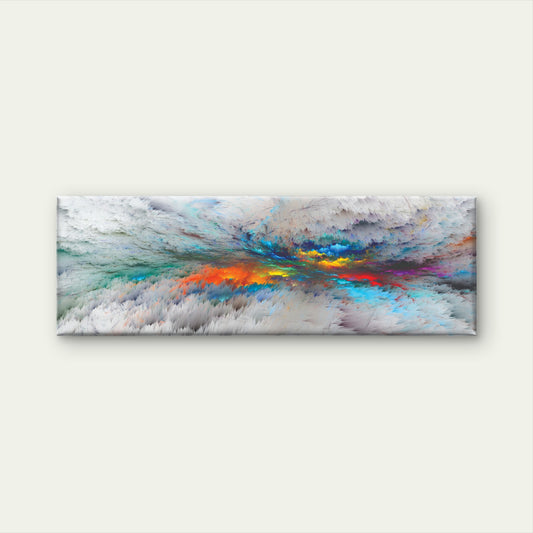
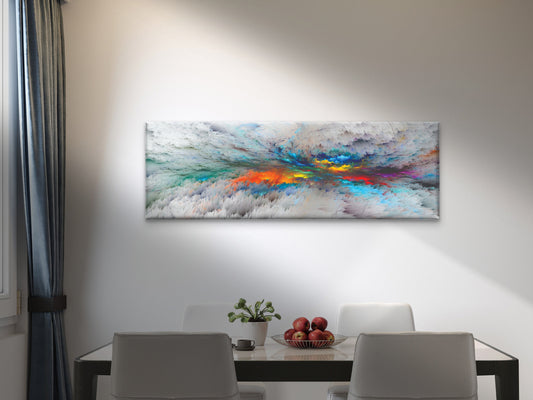
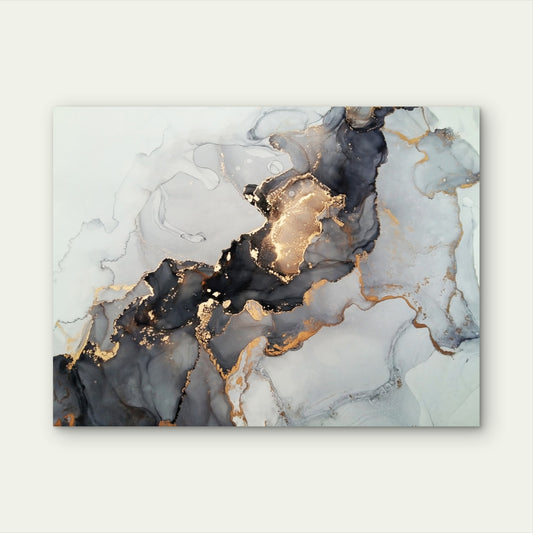
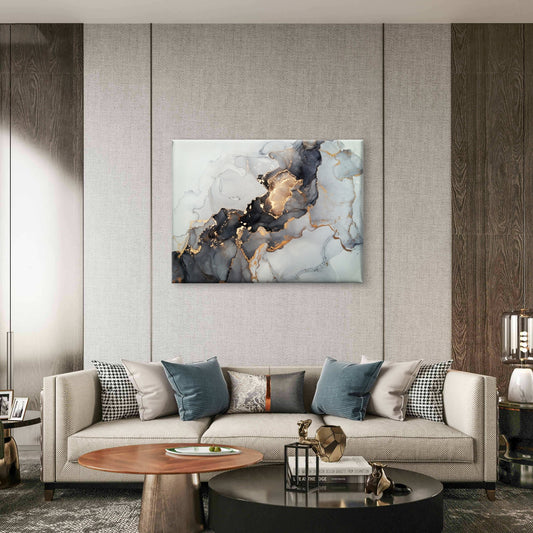
Abstract Art: Stimulates creativity and encourages new perspectives, ideal for offices and creative studios.
-
Figurative and Inspirational Art: Can motivate and inspire, especially in home offices, study areas, and gyms.
-
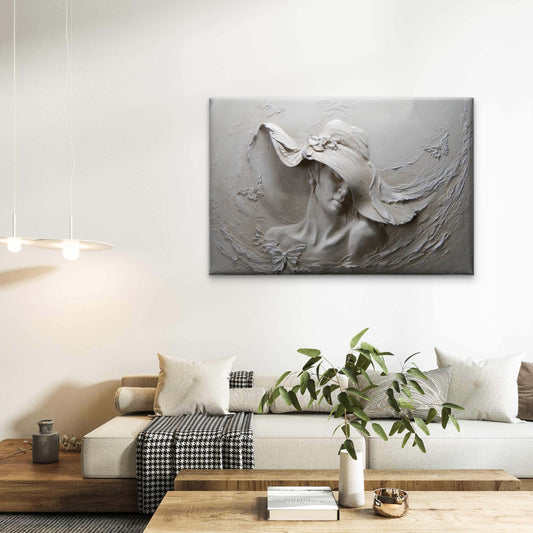
Textured or Three Dimensional Art: Adds depth and tactile engagement, making spaces feel more dynamic and lively.
Combining style with colour and subject matter maximizes the psychological benefits of wall art.
Placement Matters
Where you place artwork in a room influences its emotional impact:
-
Above Eye Level: Creates a sense of expansiveness and encourages positive energy flow
-
Near Seating Areas: Enhances relaxation and comfort in living rooms and lounges
-
Workspaces: Position motivating or stimulating art directly in view to boost focus and creativity
-
Entryways: Use welcoming or uplifting art to set the tone for the home
In Australian homes, natural lighting and open spaces enhance the psychological effect of well placed wall art.
Using Wall Art for Mindfulness and Relaxation
Wall art can support mindfulness practices and create a calming home environment:
-
Nature Photography or Botanical Prints: Encourage daily reflection and a connection to the outdoors
-
Soft Abstracts in Neutral Tones: Promote relaxation and help reduce stress
-
Minimalist Wall Art: Reduces visual clutter and creates mental clarity
Incorporating these elements into bedrooms, meditation spaces, and living rooms supports emotional wellbeing in a subtle yet impactful way.
Combining Wall Art with Interior Design
Wall art psychology works best when integrated with interior design:
-
Match colours and textures with furniture and textiles
-
Consider the overall style of the room, whether coastal, minimalist, or modern
-
Rotate artwork to keep the environment fresh and stimulating
In 2026, Australian interior designers emphasize harmony between wall art and the surrounding space to maximize both aesthetic and emotional benefits.
Final Thoughts
Understanding wall art psychology allows homeowners and businesses in Australia to choose artwork that does more than decorate. By selecting colours, styles, and placements intentionally, wall art can boost mood, inspire creativity, and create spaces that feel balanced and energizing.
Whether you are designing a living room, bedroom, office, or hospitality space, integrating psychological principles into wall art selection is a powerful way to enhance emotional wellbeing and overall satisfaction with your environment.